
The roar of the crowd, the clock ticking down, a single point separating victory from defeat. A blur of motion, a desperate shot released at the buzzer… and silence. Then, pandemonium. I once watched someone sink their life savings into that final, heart-stopping moment. They won big, celebrating like they’d conquered the world, while someone else was left staring into the abyss of lost hope and dreams.
That’s final-minute betting: a high-stakes, high-pressure arena where fortunes are made and lost in the blink of an eye. It’s late-game betting intensified, a world of in-play betting on steroids. The allure is undeniable – the promise of quick riches, the thrill of the chase, the satisfaction of predicting the unpredictable. But the dangers are just as real: impulsive decisions, emotional biases, and the sheer volatility of those crucial final seconds.
This isn’t just about gambling; it’s about strategic decision-making under immense pressure. It is about having a clearheaded sports betting strategy. In this article, I will give you the keys to unlock the secrets of successful final-minute betting. Drawing from years of experience analyzing game dynamics and understanding betting markets (and learning from a fair share of mistakes), I aim to equip you with the knowledge and tools you need to navigate this exhilarating, yet treacherous, landscape and, hopefully, turn a profit.
Psychological Biases in the Final Minute: Why We Make Bad Calls
The final minute of a sporting event can be a pressure cooker, not just for the athletes, but for anyone with skin in the game. It’s a breeding ground for irrational decisions, fueled by psychological biases that intensify as the clock ticks down. These biases, like FOMO (Fear Of Missing Out), loss aversion, and the gambler’s fallacy, can hijack our rational thinking and lead to bets we wouldn’t normally consider. FOMO might drive you to jump on a late surge, fearing you’ll miss out on easy profits. Loss aversion can make you double down on a bad bet, desperately trying to recoup losses instead of cutting them. The gambler’s fallacy convinces you that after a string of losses, a win is inevitable, leading you to bet bigger despite the odds. Recognizing these biases is the first step to mitigating their influence. Pay attention to your emotions throughout the game. If you find yourself getting overly excited or desperately trying to avoid a loss, it’s a red flag. Take breaks to clear your head and reassess your strategy. Objectively tracking your betting history can also reveal patterns and biases you might not be aware of. Doing so will help you avoid emotional betting.
The Illusion of Control
One subtle, yet powerful, cognitive bias that often surfaces is the illusion of control. This is the feeling that we have more influence over events than we actually do. In sports betting, this might manifest as believing your last-minute wager can sway the game’s outcome, or that your lucky ritual will somehow guarantee a win. This often leads to people making risky bets, as they assume that some control over the outcome exists. Even if the team is losing, the illusion of control might trick one into thinking the wager will somehow still amount to profits. It’s important to remember that in the world of sports and gambling, the amount of individual control is far less than what most people assume.
Risk Management and Bankroll Preservation: Staying in the Game
Navigating the exhilarating, yet volatile, world of last-minute sports betting demands an ironclad commitment to risk management. It’s easy to get swept up in the adrenaline, especially when fortunes can change in the blink of an eye. However, without a disciplined approach to bankroll management, those fleeting moments of glory can quickly turn into costly lessons. Effective risk management isn’t about eliminating risk altogether; it’s about understanding it, mitigating it, and ensuring you can play the long game. This involves setting strict stop-loss limits, those pre-determined thresholds beyond which you refuse to bet anymore in a single session. Adhering to a consistent bet sizing strategy is also key. Resist the urge to drastically increase your stakes after a win or, conversely, to chase losses with increasingly larger bets. Diversifying your bets across different games and types of wagers can further buffer against unforeseen outcomes. By diligently applying these strategies, you’ll not only protect your capital but also enhance your ability to make rational decisions, even amidst the most intense betting scenarios.
When to walk away
Recognizing when to step away from the betting arena is perhaps the most crucial aspect of responsible gambling. Setting loss limits is vital, but more importantly, being honest with yourself about your betting behavior is paramount. If you find yourself consistently exceeding those limits, experiencing intense emotional swings related to wins and losses, or neglecting other aspects of your life in favor of gambling, it may be time to seek help. Remember, resources are available. Organizations dedicated to assisting individuals struggling with potentially addictive behaviors can offer guidance and support. Walking away doesn’t signify defeat; it demonstrates strength, self-awareness, and a commitment to your overall well-being.

Understanding Time Decay and Odds Shifts: Reading the Ticker
Time decay is a crucial concept for any sports bettor to grasp, especially in the fast-paced world of in-play betting. Simply put, time decay reflects how the probability of an event changes as time elapses during a game or match. As time runs down and new information emerges, betting exchanges and bookmakers adjust their odds to reflect the current state of play. This adjustment isn’t linear; it’s often exponential, meaning the closer you get to the end of the event, the more drastically the odds can swing.
The mathematics behind time decay consider various factors. Initially, pre-match odds are based on statistical probabilities, team form, and other pre-existing data. However, once the game begins, real-time data streams inject a constant flow of updates: scores, injuries, penalties, changes in possession, and even subtle shifts in player momentum. These inputs feed into complex algorithms that constantly recalculate the implied probability of each outcome, leading to continuous odds fluctuations. For example, a moneyline bet on a team leading comfortably in the final minutes will see its odds shorten dramatically due to the reduced time left for the opposing team to mount a comeback. Similarly, spread bets and prop bets (e.g., total goals) become highly sensitive to time decay as the target becomes closer or more distant.
Rapid odds shifts are common occurrences, particularly in sports with frequent scoring or impactful events. An injury to a key player can immediately swing the odds against their team. A penalty in soccer provides a near-guaranteed scoring opportunity, triggering a significant odds adjustment. Momentum swings are more nuanced but equally important. A team dominating possession and creating scoring chances might see their odds shorten even without scoring, reflecting an increased probability of them eventually finding the net. Understanding these dynamics allows bettors to anticipate and capitalize on favorable odds before the market fully adjusts.
Maximising the value of odds
Identifying value in odds is about finding discrepancies between your own assessment of an event’s probability and the implied probability reflected in the odds offered. Personally, I focus on developing a deep understanding of the sport and teams I bet on. This involves rigorous statistical analysis, but more importantly, a qualitative assessment of team dynamics, recent performances, and any hidden factors that the market might be overlooking. When my estimated probability of an outcome is significantly higher than what the odds suggest, that’s where potential value lies.
Following the statistics
There are many platforms available for bettors. To sharpen your knowledge, you may utilize reputable sports statistics websites and analytics platforms. These websites provide invaluable resources for understanding team performance, player statistics, and historical data trends, all of which can contribute to more informed and potentially profitable betting decisions.
Profitable Late-Game Betting Strategies: A Sport-by-Sport Breakdown
Late-game betting, often referred to as “fourth quarter betting” or “extra innings betting,” presents a unique opportunity for savvy bettors. It’s all about capitalizing on the dynamic shifts in momentum, player performance, and game strategy that unfold in the final moments. While the risks can be higher, the potential rewards are significant if you leverage a well-researched and sport-specific live betting strategy. The following are some insights to increase your chances of success.
Basketball
In basketball’s final quarter, fortunes can change rapidly. Successful fourth quarter betting demands vigilant monitoring of player fatigue, foul counts, and any emergent injuries. Key players on the bench can dramatically alter a team’s offensive and defensive capabilities. Evaluate the team’s urgency; is one team desperately trying to close a gap, or is another simply running out the clock? Keep a close lookout for sudden changes in tempo. When a team falls behind, the coach can start a series of offensive plays to catch up the rival.
Soccer
Soccer matches that extend into extra time are prime territory for late-game betting. Consider current momentum. Has one team dominated throughout the match, or has the game been a close, back-and-forth battle? If a team has been pressing hard but failing to convert chances, they may be vulnerable to a late counter-attack. The substitution strategies employed by each coach are crucial. Fresh legs can make all the difference in extra time, especially given the accumulated fatigue. Watching for subtle changes in team’s performance during the match might denote what to bet at the end of the match.
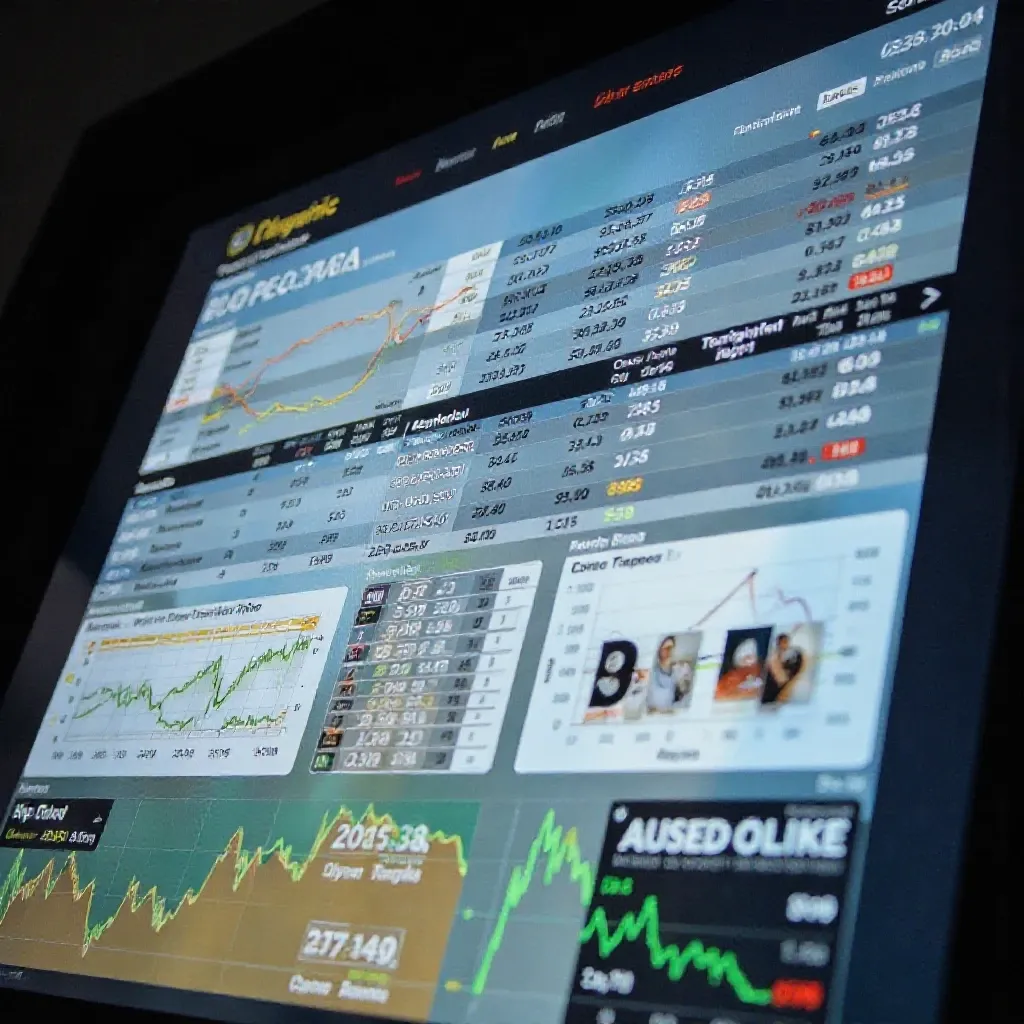
Tools and Resources for Informed Decisions: Real-Time Analysis
In the dynamic world of sports betting, access to real-time data and analytical tools is paramount for making informed decisions. Several resources can empower bettors to move beyond gut feelings and engage in strategic wagering.
Real-Time Odds Comparison: Websites provide up-to-the-minute odds from various sportsbooks, allowing bettors to quickly identify the most favorable lines for their wagers. This ensures you’re not leaving money on the table.
Betting Calculators: A range of online calculators can assist with various betting scenarios. These tools can calculate potential payouts, convert odds formats, and determine the implied probability of a bet, enhancing your understanding of risk and reward.
Sports Analytics Platforms: Dive deep into statistical analysis with platforms offering comprehensive data on team and player performance. Explore key metrics, historical data, and predictive models to gain an edge in your betting strategy.
Injury Reports and Weather Conditions: Stay informed about player injuries and weather forecasts, as these factors can significantly impact game outcomes. Reliable sources provide timely updates, helping you assess the potential impact on team performance.
By integrating these tools and resources into your decision-making process, you can elevate your betting game from impulsive guesses to calculated strategies, increasing your chances of success.
Conclusion: Mastering the Final Minute
The final minute in sports betting is where fortunes are won and lost. It demands a blend of sharp analysis, quick decision-making, and, above all, a cool head. By understanding late-game dynamics, recognizing common pitfalls, and implementing a well-thought-out strategy, bettors can significantly improve their chances of success.
Remember, responsible betting is paramount. Never chase losses, and always set a budget before diving into the action. The allure of profitable betting can be strong, but a disciplined approach is your greatest asset.
For a final piece of actionable advice: Specialize. Don’t try to be a master of all sports. Focus on a league or even a specific team to truly understand their late-game tendencies. This targeted knowledge provides a distinct advantage when those crucial final seconds tick away.
To continue improving your final minute betting strategy with expert advice, follow our social accounts for real-time tips and insights. We also offer personalized consultations for tailored takes on specific events. The path to profitable betting is ongoing – let us guide you.